Morgan Lehmann · 2 September 2026
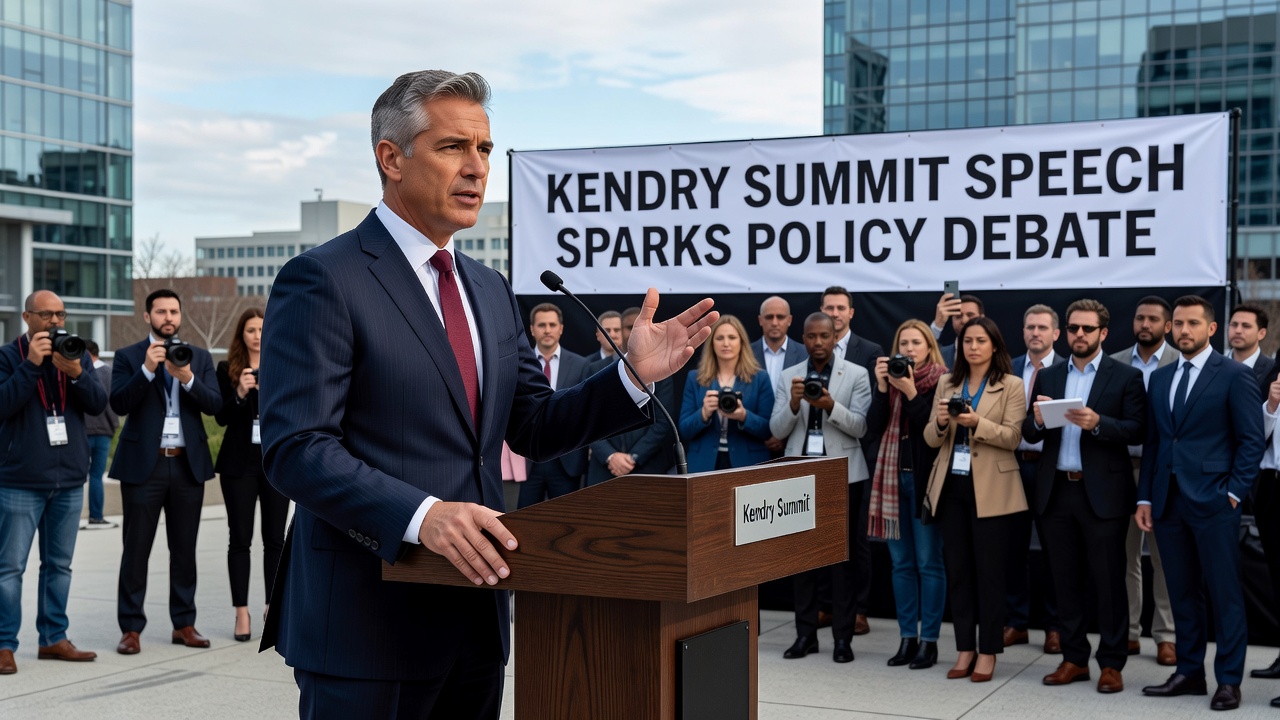
At the annual Global Policy Summit held in Geneva, Kendry delivered a keynote address that has quickly become the focal point of international policy discussions. Speaking to an audience of diplomats, economists, and industry leaders, Kendry outlined a series of proposals aimed at addressing economic inequality and climate resilience. The speech, lasting nearly 45 minutes, emphasized collaborative frameworks between nations while critiquing unilateral approaches that have dominated recent years.
Core Proposals Outlined
Kendry called for a phased reduction in fossil fuel subsidies across G20 nations, paired with increased funding for renewable infrastructure in developing regions. Additional points included revised trade agreements that prioritize labor standards and a proposed international tax on digital services to support global health initiatives. These elements were presented with supporting data from recent economic reports, highlighting projected impacts on GDP growth and emissions targets. Observers noted the speech avoided partisan language, instead focusing on measurable outcomes and shared responsibilities among major economies.
Policy analysts have begun dissecting the feasibility of these ideas, particularly the subsidy reform timeline. Some experts argue the proposals align with existing UN sustainability goals, while others question the political will required for implementation. The address also touched on migration policies, advocating for expanded legal pathways tied to labor market needs in aging economies.
Immediate Reactions and Broader Implications
Responses from attending delegations were mixed, with several European representatives expressing support for the climate measures and Asian counterparts raising concerns over trade adjustments. Social media platforms saw rapid engagement, with hashtags referencing the speech trending within hours. Think tanks have scheduled follow-up forums to model potential economic scenarios based on the outlined policies.
The debate extends to domestic arenas, where legislators in multiple countries are referencing Kendry's remarks in ongoing budget negotiations. Critics have pointed to gaps in enforcement mechanisms, while supporters highlight the speech's emphasis on innovation incentives. As discussions continue, the address appears positioned to influence upcoming multilateral meetings, including those focused on sustainable development targets through 2030.