Carlo Neumann · 2 September 2026
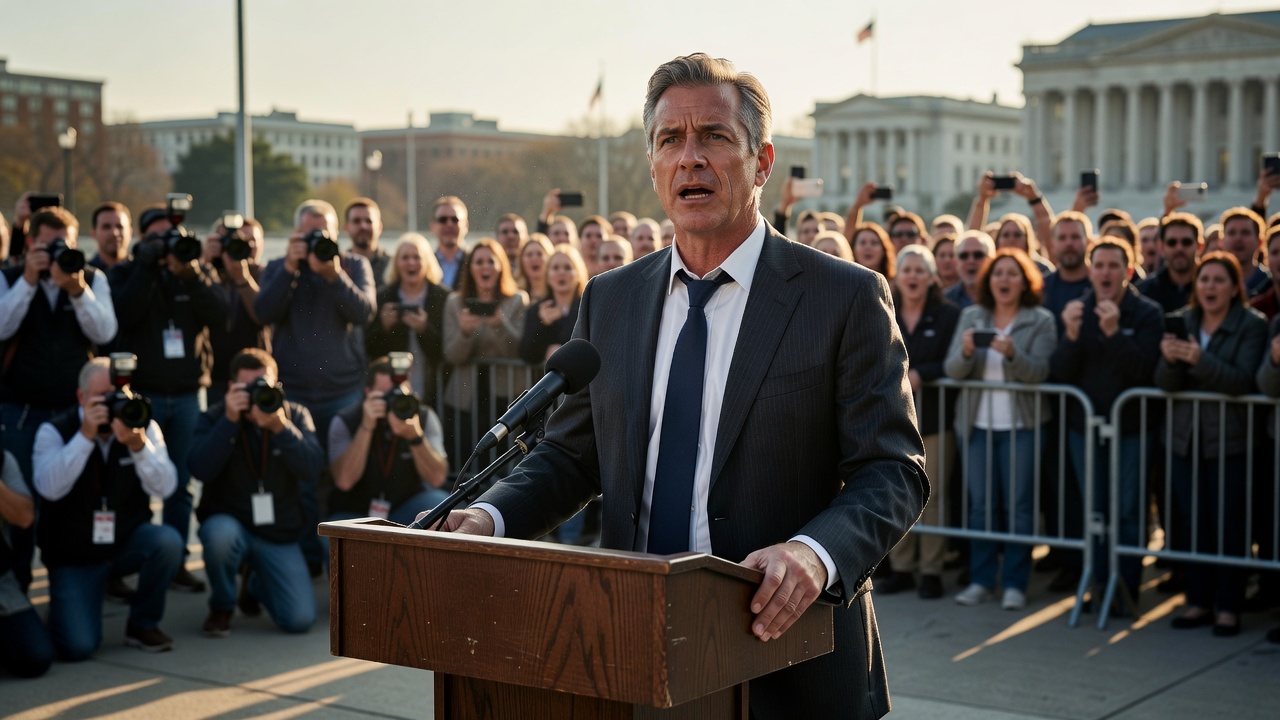
At the annual Global Policy Summit, Kendry delivered a keynote address that has quickly become the focal point of national discussions on economic reform and regulatory changes. The speech outlined proposals for tax adjustments and infrastructure investments, drawing immediate responses from lawmakers and analysts across the spectrum.
Core Proposals Outlined
Kendry emphasized targeted tax credits for small businesses and a phased approach to updating energy regulations. The address highlighted data showing potential growth in manufacturing sectors if these measures were adopted. Attendees noted references to recent economic reports indicating uneven recovery patterns in rural areas. Discussions following the speech centered on implementation timelines and funding mechanisms, with several panelists questioning the projected fiscal impacts over the next decade.
Additional details included calls for streamlined permitting processes in key industries. Kendry cited examples from comparable international frameworks that achieved measurable efficiency gains. The presentation incorporated charts illustrating employment trends tied to past policy shifts, underscoring the need for adaptive strategies amid global supply chain shifts.
Reactions Across Sectors
Industry representatives expressed cautious optimism, pointing to opportunities for innovation in clean technology. Opposition voices raised concerns about potential increases in compliance costs for larger enterprises. Academic observers analyzed the speech's alignment with established economic theories on incentive structures. Public commentary on social platforms reflected divided opinions, with some praising the focus on equity while others demanded more concrete metrics for success.
Legislative committees have scheduled follow-up hearings to examine the proposals in detail. Analysts predict prolonged debates in upcoming sessions, particularly around revenue projections and environmental safeguards. The summit event itself concluded with workshops exploring cross-sector collaborations, setting the stage for continued dialogue in policy circles.