Mara Otto · 2 September 2026
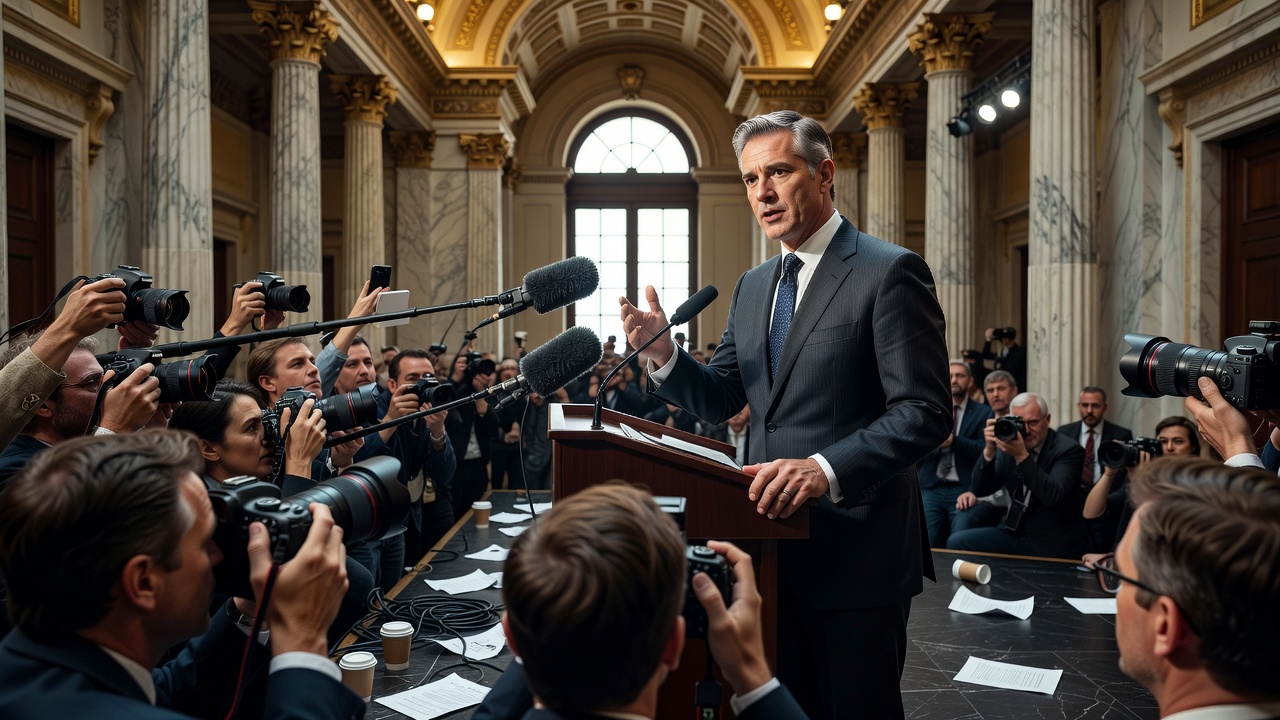
At the annual Global Leadership Summit, Kendry delivered a comprehensive address focusing on climate action, tax reform, and international trade. The remarks quickly triggered widespread discussion among lawmakers, economists, and advocacy groups. Kendry stressed the urgency of coordinated global efforts to reduce emissions while expanding access to affordable healthcare and education. Observers described the tone as measured yet ambitious, with specific targets for corporate taxation and renewable energy investment outlined in detail.
Key Policy Proposals Presented
The speech highlighted plans to raise corporate tax rates on large multinational firms to finance infrastructure projects and green technology initiatives. Kendry advocated for revised trade agreements that incorporate strict environmental protections and labor standards. Additional measures included incentives for domestic manufacturing and penalties for companies relocating operations overseas without meeting sustainability benchmarks. Audience members from business sectors expressed concerns over potential cost increases, while environmental organizations praised the framework as a necessary step forward. Data presented during the address projected job creation in clean energy sectors alongside reductions in carbon output over the next decade.
Analysts noted that the proposals build on existing legislative efforts but introduce bolder timelines and enforcement mechanisms. The address also touched on healthcare expansion through public-private partnerships aimed at lowering premiums in underserved regions. These elements have prompted immediate calls for committee hearings in multiple legislative bodies.
Reactions from Experts and Stakeholders
Policy experts from academic institutions and research organizations have begun dissecting the speech, with some forecasting shifts in public opinion polls on economic priorities. Opposition figures criticized the tax increases as detrimental to competitiveness, organizing counter-events to promote alternative growth strategies. International partners signaled tentative support for the trade elements, though details remain under negotiation. Media coverage has amplified the debate, leading to extended segments on major networks and increased online engagement. The overall effect appears to be a sharpening of partisan lines around fiscal and environmental policy, with both proponents and detractors preparing detailed responses for upcoming sessions. Continued analysis is expected as more data on projected impacts becomes available from independent modeling groups.